How Long Does it Take To Get Approved For a Business Loan?

The answer to your question depends on several factors, such as the type of loan, the lender, and the complexity of your application.

What are the eligibility requirements for a working capital loan?

The eligibility criteria for a working capital loan can vary depending on the lender, but here are some common requirements

What is the difference between a savings account and a money market account?

Certainly! Let’s explore the differences between a savings account and a money market account (MMA)

How do I calculate interest on a savings account?

Certainly! Calculating interest on a savings account involves understanding the growth of your money over time. Let’s break it down

What are the eligibility requirements for a working capital loan?

The eligibility criteria for a working capital loan can vary depending on the lender, but here are some common requirements

Tampilkan postingan dengan label Collateral. Tampilkan semua postingan

Comparing Sharia Business Loans to Conventional Business Loans

Sharia business loans, also known as Islamic business financing, are financial products that adhere to the principles of Islamic law, or Sharia. Conventional business loans, on the other hand, are offered by traditional financial institutions that operate within the framewok of secular laws and regulations. 


Here are some key points of comparison between Sharia business loans and conventional business loans :

1. Principles and Ethics:
  • Sharia Business Loans: Sharia-compliant financing is based on ethical and moral principles derived from Islamic law. These principles prohibit the payment or receipt of interest (riba), as well as investments in sectors considered non-permissible (haram) such as alcohol, gambling, or pork.
  • Conventional Business Loans: Conventional loans are based on interest-bearing transactions, where the lender charges interest on the principal amount borrowed. The lending and borrowing activities are governed by the laws and regulations of the relevant jurisdiction.
2. Interest:
  • Sharia Business Loans: Sharia financing avoids charging or paying interest, as it is considered exploitative. Instead, Islamic finance uses alternative structures such as profit-sharing (Mudarabah), cost-plus financing (Murabaha), or leasing (Ijarah).
  • Conventional Business Loans: Conventional loans involve the payment of interest, which is determined by the lender based on factors such as the borrower's creditworthiness, prevailing market rates, and other risk factors.
3. Risk and Collateral:
  • Sharia Business Loans: In Sharia financing, the lender and borrower share both the risks and rewards of the business venture. Collateral requirements are typically based on tangible assets, and the lender may require a security interest (e.g., mortgage or pledge) in the underlying assets.
  • Conventional Business Loans: Conventional loans often involve the lender bearing most of the risk, and collateral requirements may vary depending on the lender's assessment of the borrower's creditworthiness and the nature of the loan. Collateral can include both tangible and intangible assets.
4. Contractual Arrangements:
  • Sharia Business Loans: Sharia-compliant financing involves specific contractual arrangements that comply with Islamic law. These agreements outline the terms, conditions, and profit-sharing ratios, ensuring compliance with Sharia principles.
  • Conventional Business Loans: Conventional loans usually involve standard loan agreements that outline the terms, interest rates, repayment schedules, and other contractual obligations between the lender and borrower.
It's important to note that the availability and specific terms of Sharia business loans may vary depending on the region and the financial institution providing them. If you're considering financing for your business, it's advisable to consult with financial experts who specialize in Sharia financing or conventional business loans to understand the options available to you and make an informed decision based on your needs and circumstances.

How to Qualify for Sharia Business Loans: Requirements and Eligibility

The specific requirements and eligibility criteria for Sharia business loans can vary depending on the financial institution or organization offering the loans. 


However, here are some general factors that entrepreneurs may need to consider in order to qualify for Sharia business loans :

1. Sharia Compliance: 
Sharia business loans are designed for entrepreneurs who want to adhere to Islamic principles. To qualify, you will typically need to demonstrate your commitment to conducting your business activities in a manner that complies with Sharia law. This includes avoiding industries or activities that are considered non-compliant, such as gambling, alcohol, or pork production.

2. Business Viability: 
Financial institutions offering Sharia business loans will assess the viability and potential profitability of your business. They will evaluate your business plan, market analysis, financial projections, and management team to determine if your business has the potential for success. It's important to present a comprehensive and well-structured business plan that demonstrates the potential for growth and profitability.

3. Collateral or Security: 
Just like conventional loans, Sharia business loans may require collateral or security to secure the loan. The specific requirements for collateral can vary, but you may need to provide assets or property that meet the lender's criteria. It's advisable to clarify the collateral requirements with the lender or financial institution beforehand.

4. Creditworthiness: 
Financial institutions may evaluate your creditworthiness and financial history to assess your ability to repay the loan. They may review your personal and business credit scores, financial statements, and any existing debt obligations. A strong credit history and a positive financial track record can enhance your chances of qualifying for a Sharia business loan.

5. Documentation: 
You will likely need to provide various documents to support your loan application. This may include your business registration documents, personal identification documents, bank statements, tax returns, and any other financial records that demonstrate the financial health and stability of your business.

6. Business Experience and Expertise: 
Financial institutions may consider your level of experience and expertise in the industry or sector in which your business operates. Demonstrating a solid track record, relevant experience, and industry knowledge can increase your credibility and strengthen your loan application.

It's important to note that the eligibility criteria and requirements for Sharia business loans can vary among financial institutions and regions. It's advisable to directly contact Islamic banks or financial institutions offering Sharia-compliant financing to understand their specific requirements and processes. Seeking the guidance of a financial advisor experienced in Islamic finance can also provide valuable assistance in navigating the loan application process.

Enterprise Finance Guarantee (EFG): The EFG scheme, facilitated by the British Business Bank, enables startups with insufficient collateral to access loans from participating lenders.

The Enterprise Finance Guarantee (EFG) scheme is a financial initiative facilitated by the British Business Bank in the United Kingdom. Its purpose is to assist small and medium-sized enterprises (SMEs), including startups, that have inadequate collateral to secure traditional loans from participating lenders.


Under the EFG scheme, the British Business Bank provides a government guarantee to lenders for a portion of the outstanding loan balance. This guarantee serves as collateral for the loan, reducing the risk for lenders and encouraging them to provide funding to businesses that might not otherwise meet their typical lending requirements.

The EFG scheme aims to help businesses access the finance they need to grow and thrive. It can be particularly beneficial for startups and SMEs that may have limited assets or a lack of trading history. By providing the government guarantee, the scheme enables these businesses to obtain loans or overdrafts, which they can use for various purposes, such as working capital, investment in equipment, or expansion projects.

It's worth noting that the EFG scheme is not a direct loan program. Instead, it works through participating lenders, such as banks and other financial institutions, who assess the creditworthiness of the businesses applying for funding. The lenders decide on the loan terms and conditions, including the interest rate, repayment period, and specific requirements for each loan. The government guarantee only covers a portion of the loan, and the borrower remains liable for the full repayment of the debt.

The EFG scheme has been an important tool in supporting startups and SMEs in the UK, helping them access finance that would otherwise be difficult to obtain due to the lack of collateral. However, it's essential to check the latest information and eligibility criteria from the British Business Bank or other relevant sources, as program details and availability may change over time.

What are the Typical Interest Rates for Equipment Financing?

The interest rates for equipment financing can vary depending on several factors, including the lender, the specific equipment being financed, the creditworthiness of the borrower, and the overall market conditions. Generally, equipment financing interest rates can range from around 4% to 30% or more. 


However, it's important to note that these rates are just rough estimates, and actual rates can fall outside of this range.

Here are some factors that can influence the interest rates for equipment financing:

1. Creditworthiness: 
Borrowers with strong credit scores and a solid credit history generally qualify for lower interest rates. Lenders typically view borrowers with better credit as lower risk, which can result in more favorable interest rates.

2. Collateral and Down Payment: 
If the equipment being financed serves as collateral for the loan, lenders may offer more competitive interest rates. Additionally, providing a larger down payment upfront can also help lower the interest rate.

3. Equipment Type and Condition: 
The type, age, and condition of the equipment being financed can affect the interest rate. Newer and high-quality equipment may be associated with lower interest rates compared to older or specialized equipment.

4. Loan Term: 
The length of the loan term can impact the interest rate. Longer-term loans may have slightly higher interest rates compared to shorter-term loans.

5. Market Conditions: 
Interest rates can be influenced by broader economic factors and market conditions. Changes in interest rates set by central banks, inflation, and overall economic trends can impact the rates offered by lenders.

To get an accurate idea of the interest rates for equipment financing, it's best to reach out to lenders directly and obtain quotes based on your specific situation. Different lenders may have different rate structures and criteria, so comparing multiple offers will help you find the most competitive rate for your equipment financing needs.

What are the Requirements For Getting a Business Loan?

The requirements for obtaining a business loan can vary depending on the lender and the specific loan program you're applying for. 


However, here are some common requirements that lenders typically consider when evaluating a business loan application:

1. Credit Score: 
Lenders often consider the creditworthiness of the business owner and the business itself. A good personal and business credit score can increase your chances of getting approved for a loan.

2. Business Plan: 
A comprehensive and well-structured business plan that outlines your business goals, strategies, financial projections, and repayment plans can be crucial in convincing lenders to approve your loan application.

3. Financial Statements: 
Lenders usually require financial statements such as income statements, balance sheets, and cash flow statements to assess the financial health and stability of your business.

4. Collateral: 
Depending on the loan type, lenders may require collateral to secure the loan. Collateral can be in the form of business assets, real estate, or personal assets.

5. Business Experience: 
Lenders may consider the experience and track record of the business owner and the management team. Demonstrating industry expertise and a successful business history can strengthen your loan application.

6. Purpose of the Loan: 
Clearly stating the purpose of the loan and how it will be used for business growth, such as purchasing equipment, expanding operations, or hiring staff, can enhance your chances of approval.

7. Cash Flow and Debt Service Coverage: 
Lenders assess your ability to repay the loan by evaluating your business's cash flow and debt service coverage ratio. They want to ensure that you have sufficient cash flow to cover your loan payments.

8. Legal and Regulatory Compliance: 
Lenders may require proof of legal and regulatory compliance, such as business licenses, permits, and tax filings.

Remember that these requirements may vary depending on the lender, loan type, loan amount, and the specific circumstances of your business. It's a good idea to reach out to different lenders and explore their specific loan requirements to find the best fit for your business needs.

How Long Does it Take to Get Approved For a Small Business Loan in NYC?

The approval time for a small business loan in New York City (NYC) can vary depending on several factors.


Here are some considerations :

  1. Type of Loan :

    • The type of loan you apply for can impact the approval process. For example :
      • SBA loans may take longer due to their government-backed nature and additional paperwork.
      • Private lenders might have a quicker turnaround.
  2. Application Completeness :

    • Ensure that your loan application is complete and accurate. Any missing information or errors can delay the approval process.
  3. Lender’s Process :

    • Each lender has its own internal procedures for reviewing applications. Some may be more efficient than others.
  4. Creditworthiness :

    • Your credit history plays a significant role. If you have a strong credit score, it may expedite the approval process.
  5. Business Financials :

    • Lenders assess your business’s financial health. Profitability, cash flow, and collateral are considered.
    • Startups may face additional scrutiny.
  6. Collateral Requirements :

    • If your loan requires collateral, the time to secure and evaluate it affects approval.
  7. Documentation :

    • Gather necessary documents such as tax returns, financial statements, and business plans.
    • Organized documentation speeds up the process.
  8. Lender Communication :

    • Promptly respond to any requests for additional information from the lender.
  9. Processing Time :

    • On average, it may take 2 to 6 weeks for approval, but this can vary widely.
  10. Online Lenders :

    • Some online lenders offer faster approval compared to traditional banks.

Remember that timeliness is crucial. Be prepared, communicate effectively, and work closely with your chosen lender to expedite the approval process. 

Good luck with your small business venture! 🌟

What are the 4 C's in loan?

What are the 4 C's in loan - The 4 C's in the context of loans are commonly referred to as the "Four Cs of Credit." These are criteria that lenders often consider when evaluating a loan application. 


The Four Cs are :

1. Creditworthiness : 
This refers to the borrower's credit history and their ability to repay the loan. Lenders assess factors such as the borrower's credit score, payment history, and any outstanding debts. A good creditworthiness increases the chances of loan approval.

2. Capacity : 
Capacity refers to the borrower's ability to repay the loan based on their income, employment status, and existing financial obligations. Lenders evaluate the borrower's income stability, employment history, and debt-to-income ratio to determine their capacity to make loan payments.

3. Collateral : 
Collateral is an asset that a borrower pledges to secure the loan. It serves as a form of security for the lender in case the borrower defaults on the loan. Collateral can be in the form of real estate, vehicles, or other valuable assets. Lenders assess the value and quality of the collateral.

4. Conditions : 
Conditions refer to the purpose of the loan and the economic conditions that may affect the borrower's ability to repay the loan. Lenders consider factors such as the loan amount, interest rate, loan term, and the borrower's intended use of the funds. They also consider external factors such as the state of the economy and industry trends.

By evaluating these Four Cs, lenders can assess the risk associated with a loan and make informed decisions regarding loan approval, interest rates, and terms.

How can borrowers determine the applicable governing law and jurisdiction for a non-recourse agreement?

How can borrowers determine the applicable governing law and jurisdiction for a non-recourse agreement? - Determining the applicable governing law and jurisdiction for a non-recourse agreement depends on various factors, including the parties involved, the location of the collateral, and the terms negotiated between the parties. 


Here are some key considerations to help borrowers determine the applicable governing law and jurisdiction :

1. Jurisdiction Clause : 
Non-recourse agreements often include a jurisdiction clause that explicitly states the governing law and jurisdiction. This clause specifies the legal system that will govern the interpretation, enforcement, and resolution of any disputes arising from the agreement. Borrowers should carefully review this clause to determine the intended jurisdiction.

2. Collateral Location : 
The jurisdiction where the collateral is located can influence the governing law and jurisdiction. If the collateral is a property, the applicable jurisdiction may be tied to the location of that property. For example, a non-recourse agreement for a real estate property in California may specify that California law governs the agreement and that disputes will be resolved in California courts.

3. Choice of Law : 
In some cases, the parties may negotiate and agree upon a specific governing law regardless of the collateral's location. This could be a law that is favorable or commonly used in the industry. For example, parties may choose New York law to govern their non-recourse agreement even if the collateral is located elsewhere.

4. Legal Advice : 
Borrowers should consult with legal professionals experienced in commercial transactions and non-recourse agreements. These professionals can provide guidance on the applicable governing law and jurisdiction based on the specific circumstances of the agreement.

5. Conflict of Laws : 
In situations where the parties have not explicitly specified the governing law and jurisdiction, or if there is a dispute regarding the applicable law, courts may apply conflict of laws principles. These principles aim to determine the jurisdiction with the closest connection to the agreement and the parties involved. Factors such as the parties' intent, the location of the collateral, the residence or principal place of business of the parties, and the performance of the agreement may be considered in determining the applicable law.

It's important for borrowers to carefully review the non-recourse agreement and seek legal advice to determine the applicable governing law and jurisdiction. Legal professionals with expertise in international or cross-border transactions can provide valuable guidance when dealing with agreements involving parties from different jurisdictions.

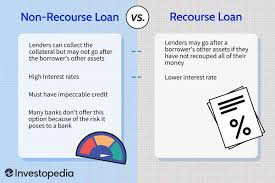
Can you give me an example of non-recourse agreement?


Let's say you're looking to purchase a property, such as a commercial building, but you don't have enough funds to cover the entire purchase price. In this situation, you may approach a bank or a financial institution to secure a loan. 


However, you might be concerned about the potential risk of losing your personal assets if you default on the loan.

To address this concern, you negotiate a non-recourse agreement with the lender. Under this agreement, the lender agrees that the property itself will serve as the sole collateral for the loan. In other words, if you default on the loan and are unable to repay it, the lender's only recourse is to seize and sell the property to recover their funds. They cannot pursue your personal assets or hold you personally liable for the remaining debt.

In this scenario, the non-recourse agreement protects your personal assets and limits your liability to the value of the property. If the property's value is insufficient to cover the outstanding loan balance, the lender typically absorbs the loss.

It's important to note that non-recourse agreements can vary depending on the jurisdiction and the specific terms negotiated between the parties involved. It's advisable to consult with legal and financial professionals to fully understand the implications and enforceability of such agreements in your particular situation.

Unsecured business loans

Unsecured business loans are a valuable financing option for businesses that need funds without having to pledge collateral. Unlike secured loans, which require assets as security, unsecured loans do not put your valuable property or equipment at risk. Here’s how they work:


  1. Definition:

  2. Key Points:

    • No Collateral: You won’t risk losing valuable assets like land, property, or equipment.
    • Personal Guarantee: Although collateral isn’t necessary, lenders often require borrowers to sign a personal guarantee. This legal agreement ensures that if the business defaults, the borrower must repay the debt using personal funds.
    • Once the loan is fully repaid, the personal guarantee is removed from the account.
  3. Eligibility and Options:

Remember to compare the terms, costs, and customer support of different lenders to find the best unsecured business loan for your needs and budget

Qualifying for a Working Capital Loan Without Traditional Collateral

Qualifying for a Working Capital Loan Without Traditional Collateral - Securing a working capital loan is a pivotal step for businesses seeking to manage their daily expenses, expand operations, or cover unforeseen costs. Traditionally, lenders require collateral—a security pledged for the repayment of a loan—to mitigate their risk. 

However, not all businesses have assets to use as collateral, or they may prefer not to encumber their assets. Fortunately, there are ways to qualify for a working capital loan without traditional collateral. This guide explores how businesses without substantial physical assets can improve their chances of securing the necessary funding.

1. Enhance Your Credit Score : Both your personal and business credit scores play a crucial role in securing a loan without traditional collateral. Lenders view these scores as indicators of your creditworthiness and reliability in managing debt. Aim to maintain a high credit score by paying bills and existing loans on time, reducing your debt levels, and avoiding new debt inquiries. Improving your credit score strengthens your loan application, making lenders more comfortable with providing unsecured funding.

2. Build Strong Banking Relationships : Establishing a positive relationship with your bank or credit union can significantly improve your chances of getting a working capital loan. Regularly engage with your bank, use their services, and demonstrate your business's financial stability. A strong banking relationship can lead to more personalized service and a better understanding of your business needs, potentially easing the loan application process.

3. Provide Detailed Financial Records : Lenders want to see a comprehensive view of your business's financial health when you're not offering traditional collateral. Prepare detailed financial records, including profit and loss statements, balance sheets, and cash flow statements. Show a history of steady income and the capacity to manage your expenses effectively. Accurate and thorough financial documentation can reassure lenders of your ability to repay the loan.

4. Leverage Future Sales : Businesses with substantial sales but little physical collateral might qualify for a loan based on projected revenues. Merchant cash advances and revenue-based loans consider your company's sales history and future sales projections. These financing options assess your ability to generate revenue, using a portion of your future sales to repay the loan. While typically having higher interest rates, they offer an alternative pathway to working capital without traditional collateral.

  • Merchant Cash Advances: This advance provides upfront cash in exchange for a portion of future sales, typically through credit card transactions.
  • Revenue-Based Loans: These loans offer funding based on your overall revenue, not just credit card sales, providing more flexibility in repayment through a percentage of total sales.
5. Optimize Your Business Plan : Lenders often require a solid business plan from uncollateralized loan applicants. Your business plan should clearly articulate your business model, market analysis, financial projections, and the specific purpose of the loan. A strong, realistic, and well-thought-out business plan demonstrates to lenders that you have a clear path to profitability and loan repayment. Include any competitive advantages, unique selling propositions, and strategies for growth and sustainability.

6. Provide Personal Guarantees : If you're lacking traditional collateral, offering a personal guarantee can be an alternative. A personal guarantee means you're personally responsible for repaying the loan if your business cannot. This lowers the risk for lenders, making them more likely to provide the loan. However, this option requires careful consideration as it puts your personal assets at risk in the event of a business failure.

7. Seek Government-Backed Loans : Government-backed loans, such as those offered by the Small Business Administration (SBA) in the United States, can be easier to qualify for without traditional collateral. These loans are designed to support small businesses, and the government guarantee lowers the risk for lenders, often leading to more favorable terms. While some SBA loans still require collateral, the collateral requirements are typically less stringent, and emphasis is placed more on the viability of the business plan and creditworthiness.

8. Highlight Experience and Industry Knowledge : When traditional collateral is not an option, highlighting the experience and industry knowledge of your business's leadership can play a pivotal role. Lenders are more likely to approve loans for businesses led by individuals with a proven track record of success and extensive knowledge in their industry. Sharing your accomplishments, experiences, and comprehensive understanding of your market can build confidence in your ability to manage and repay the loan.

9. Negotiate with Lenders : Don't hesitate to negotiate terms with lenders. If you have a strong application but lack traditional collateral, you may still be able to secure favorable terms by discussing your situation. Highlight your business's strengths, including robust cash flows, a high credit rating, and successful industry experience. Lenders are sometimes willing to adjust terms, such as interest rates or repayment periods, to accommodate capable borrowers.

10. Explore Alternative Lenders : If traditional banks are unwilling to provide a loan without collateral, consider alternative lenders, such as online lenders, crowdfunding platforms, or peer-to-peer lending services. These sources often have more flexible lending criteria and may be more willing to overlook the lack of traditional collateral. However, be mindful that interest rates may be higher, and research the lender thoroughly to ensure they are reputable and the terms are clear.

Qualifying for a working capital loan without traditional collateral may seem daunting, but it is entirely possible with the right preparation and approach. By improving your creditworthiness, building strong banking relationships, and effectively leveraging your business's strengths, you can secure the funding you need to grow and sustain your operations. Remember to carefully consider each option and its implications for your business's financial future.

Capital One Business Loans

Capital One is a bank that offers various types of small-business loans, such as:


To qualify for a Capital One business loan, you need to have at least two years in business, a Capital One business checking account, and a good credit score (usually above 700). You also need to apply in person at one of their branches, which are located in eight states and the District of Columbia.

If you are interested in learning more about Capital One business loans, you can visit their website here or call them at 1-800-926-1000. You can also compare their loans with other lenders on NerdWallet or Bankrate. I hope this helps you find the best loan for your business. 😊

What is The Interest Rate For a Working Capital Loan?

What is The Interest Rate For a Working Capital Loan? - A working capital loan is a type of business loan that helps cover operational costs, such as payroll, inventory, rent, and utilities. The interest rate for a working capital loan depends on various factors, such as the loan amount, term, collateral, credit score, and lender. According to some sources, the average interest rate for a working capital loan in 2024 ranges from 11% to 16% per annum. However, this may vary depending on your specific situation and the type of working capital loan you choose. 

Some common types of working capital loans are:

  • Term loans: These are fixed-amount loans that you repay over a set period of time, usually 6 to 24 months. Term loans may have lower interest rates than other options, but they may also require higher credit scores and collateral.

  • Lines of credit: These are revolving credit facilities that allow you to borrow and repay as needed, up to a certain limit. Lines of credit may have higher interest rates than term loans, but they offer more flexibility and convenience. You only pay interest on the amount you use, not the entire limit.

  • Invoice factoring: This is a form of financing where you sell your unpaid invoices to a third-party company at a discount. The factoring company pays you a percentage of the invoice value upfront, and collects the full amount from your customers later. Invoice factoring may have higher fees than other options, but it can provide immediate cash flow and does not depend on your credit score.

  • SBA loans: These are loans guaranteed by the U.S. Small Business Administration, which partners with banks and other lenders to offer low-interest loans to small businesses. SBA loans may have longer terms and lower interest rates than other options, but they may also have stricter eligibility criteria and longer approval times.

If you are interested in applying for a working capital loan, you may want to compare different lenders and options to find the best deal for your business. You can use online platforms like Lendio or Forbes Advisor to compare and review various working capital loans. Alternatively, you can contact your local bank or financial institution to see what they can offer you.

I hope this information helps you. 😊

Type of Lender and Loan Qualifications

Type of Lender and Loan Qualifications - The answer to your question depends on several factors, such as the type of loan, the lender, and your qualifications. Generally speaking, the faster you need the loan, the more expensive it will be.

According to some sources, the average time to get a business loan can range from 15 minutes to several months. 

Here are some examples of different loan types and their approval times:

  • Online lenders: These are alternative lenders that offer fast and easy business loans, often with less stringent requirements than banks. You can apply online and get approved and funded within minutes, hours, or days. For example, Kabbage can approve you for a line of credit in as little as 15 minutes, while Lendio can match you with over 75 lenders and get you funded in as little as 72 hours.

  • Traditional banks: These are the most common sources of business loans, but they also have the longest and most complicated application process. You may have to submit a lot of paperwork, meet high standards, and wait for weeks or months to get approved and receive the loan. For example, a commercial real estate loan from a bank can take two months or more to close.

  • SBA loans: These are loans backed by the Small Business Administration, a government agency that supports small businesses. SBA loans have low interest rates and long repayment terms, but they also have strict eligibility criteria and a lengthy approval process. Getting an SBA loan can take two to three months from application to closing.

As you can see, there is no definitive answer to how long it takes to get a business loan. It depends on your specific situation and needs. 

However, you can improve your chances of getting approved faster by following some strategies, such as:

  • Checking and strengthening your credit score

  • Understanding the loan requirements

  • Assessing your debt-to-income ratio

  • Preparing the necessary documentation

  • Comparing different lenders and loan options

I hope this information helps you find the best business loan for your needs. If you have any other questions, feel free to ask me. 😊

What are the eligibility requirements for a working capital loan?

The eligibility criteria for a working capital loan can vary depending on the lender, but here are some common requirements:


  1. Applicant’s Age: The borrower should be at least 21 years old when applying for the loan and should not be older than 65 years upon loan maturity.

  2. Nature of Business: Eligibility depends on the nature of the business. It applies to individuals, proprietors, partnership firms, private or public companies, retailers, traders, or any other business owners engaged in service, manufacturing, or trading sectors that require consistent cash flow for working capital.

  3. Business Turnover: The business turnover amount varies based on the chosen lending bank. For instance, if you apply for a Working Capital Loan from HDFC Bank, the loan segments are divided into annual turnover below Rs. 7.5 crore and annual turnover above Rs. 7.5 crore.

  4. Business Vintage: Your business should have been operational for the past 2 years, with profitable financial records.

  5. Business Experience: Most banks require a minimum of 2 years of the same business at the current location.

  6. Financial History: A stable and credible financial history with consistent profits over the years is essential.

  7. Source of Income: Your business income or investment income qualifies as your source of income.

  8. CIBIL Score: If it’s a company, the business’s CIBIL Score should be 700 or above. For sole proprietors, entrepreneurs, or self-employed professionals, their personal score matters.

  9. Financial Capability: The business’s financial capability and the promoter’s ability to repay the loan are critical factors. Profit and loss statements, balance sheets, and income tax returns demonstrate stability and profitability.

  10. Creditworthiness: No loan defaults in the past contribute to creditworthiness.

  11. Ownership or Collateral Worthiness: Ownership of property (residence, office, shop, godown) is considered by banks.

Remember that these criteria may vary slightly among different lenders, so it’s essential to check with the specific institution you’re interested in.


Others Also Read:

  • What is the interest rate for a working capital loan?

  • How much can I borrow with a working capital loan?